+86-15916242887
 Leave Your Message
- CONTACT US
-

-
 CONTACT US
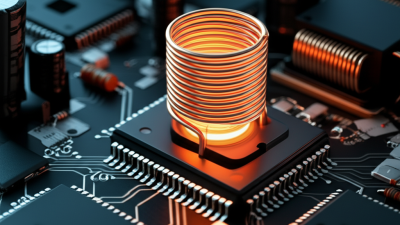
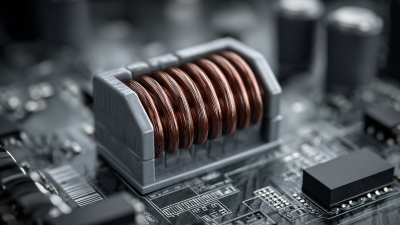
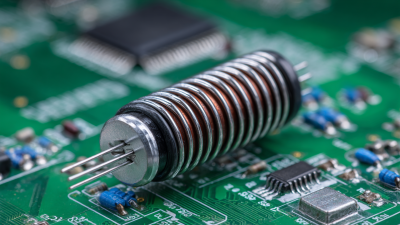
In the fast-changing world of electronic design, picking the right components is more important than you might think. Among these, the High Frequency Choke is a really key piece—it's often what keeps your circuit running smoothly and reliably. As we look ahead to the future, getting a good handle on what makes a High Frequency Choke tick is pretty much essential for engineers and designers who want to take their projects to the next level.
By 2025, with tech moving so quickly and the demands on electronic devices only getting tougher, choosing the right High Frequency Choke can seriously impact how efficient and dependable your circuits are. These inductors are built specifically to handle high-frequency signals, offering crucial filtering and stabilization—without them, your circuit might not perform as well as you hope.
In this article, I’ll walk you through the top ten things to keep in mind when picking a High Frequency Choke. We’ll look at key features like inductance values, current ratings, and how they’re physically designed—so you can make smarter choices that boost your project’s success. Let’s dive in and see how the right choke can really make a difference!
High frequency chokes play a pivotal role in the performance of electronic circuits, particularly when it comes to filtering and managing noise in high-frequency applications. These components are designed to block higher frequency signals while allowing lower frequencies to pass, thus enhancing signal integrity. According to a recent industry report by MarketsandMarkets, the global inductor market, which includes high frequency chokes, is projected to reach $4.2 billion by 2026, indicating a growing demand for these essential components in various electronic applications.
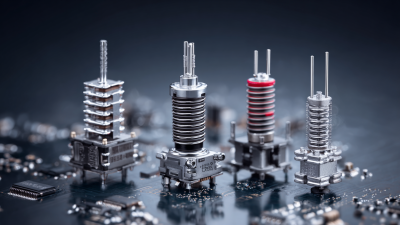
Understanding the key concepts behind high frequency chokes, such as impedance, inductance, and core material, is crucial for selecting the right component. At Zhuhai Eastever Electronic Co., Ltd., we emphasize the importance of quality and performance in our R&D and manufacturing processes for passive electronic components like inductors and coils. With over a decade of experience, we ensure that our products meet the rigorous demands of the RF and telecommunications sectors.
Tips: When choosing a high frequency choke, consider the choke's rated current and impedance at the application’s frequency. Conduct thorough testing in your specific circuit to ensure optimal performance. Additionally, investing in chokes with lower core losses can significantly improve your circuit’s efficiency and reliability in high-frequency applications.
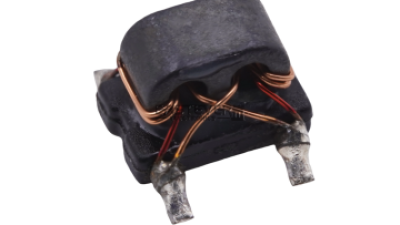
The performance of high-frequency Rf Transformers is pivotal in maintaining signal integrity across various communication systems. The EBH6553-D004207 model, offering a transformation ratio of 1:4CT over a frequency range of 10-1900MHz, demonstrates impressive capabilities that can significantly enhance signal quality. According to industry reports, such as the 2023 RF Component Market Analysis by ABI Research, utilizing optimized Rf Transformers is crucial for reducing signal loss and distortion in modern communication devices.
With an input power rating of 2W max and compatibility with temperature variations ranging from -40°C to +85°C, the EBH6553-D004207 is engineered for reliability in demanding environments. Its application extends to DOCSIS 3.0 and 4.0 cable modems, wideband push-pull amplifiers, and CATV (Cable Television) modules, which are integral in managing the increased bandwidth requirements of today's digital communication networks. Furthermore, the transformer’s RoHS compliance ensures that it meets stringent environmental standards while providing robust performance.
Incorporating the EBH6553-D004207 into communication systems not only enhances signal integrity but also aids in mitigating issues such as intermodulation distortion and cross-talk, which are common challenges in RF applications. The model's capability to perform effectively even in VHF/UHF transmitters illustrates its versatility and importance in both consumer and professional communication equipment. As reported by the Telecommunications Industry Association, improving component performance in RF design is essential as the demand for high-speed data transmission continues to rise, making the application of high-quality transformers like the EBH6553-D004207 more critical than ever.
: Identifying frequency and performance requirements is crucial because it helps in selecting the appropriate choke that filters out unwanted noise and ensures circuit stability. Chokes must have saturation current ratings capable of handling transient spikes to maintain overall performance.
High-frequency chokes help minimize electromagnetic interference (EMI) and improve signal integrity, which are essential for high-speed digital circuits and RF applications. They enable more efficient noise reduction and better operational metrics when correctly selected according to the circuit's requirements.
Ferrite Core Chokes are recommended for power supply circuits as they effectively suppress high-frequency noise while handling substantial current.
For Rf Amplifiers, air-core chokes are advised because they minimize unwanted inductance and support better bandwidth, which is essential for optimal performance.
Selecting a choke with a lower self-resonant frequency is important as it ensures the choke remains effective over the entire operational bandwidth of the circuit.
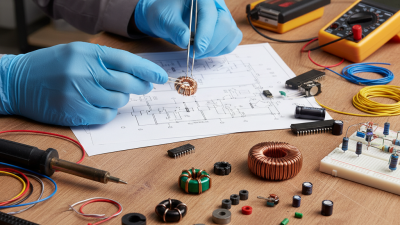
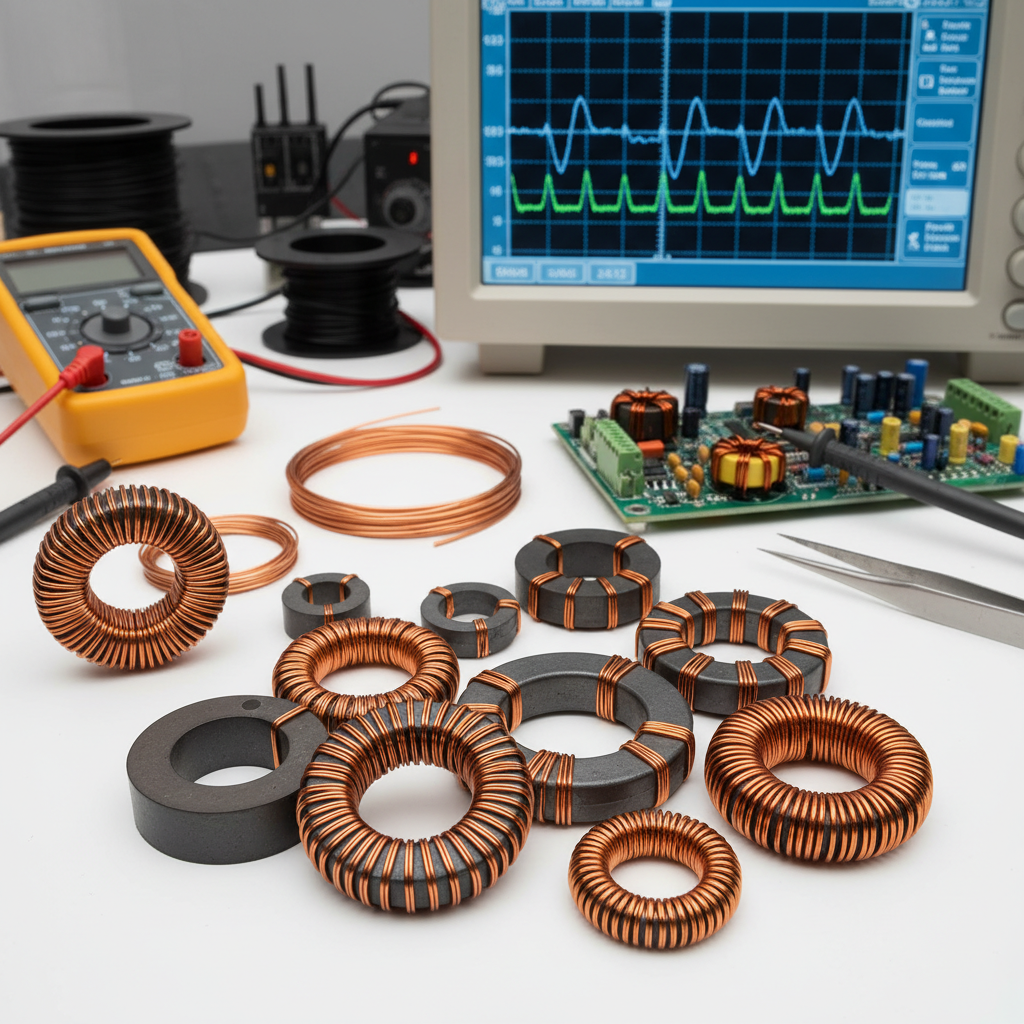
Accurate testing and measurement are essential to evaluate the performance of high-frequency chokes, allowing engineers to fine-tune circuit designs to meet specific requirements and optimize functionality.
Yes, simulating circuits with different choke models can help evaluate their impact on performance, enabling identification of the most suitable component for maintaining signal clarity.
A choke with lower DC resistance can enhance current handling capacity without generating excessive heat, making it a better choice for efficient circuit performance.
Selecting a choke designed for a specific frequency range can lead to a 10% improvement in filtering efficiency compared to using a generic model, thereby optimizing the circuit’s performance metrics.
In filter designs, high-frequency chokes improve signal integrity by ensuring that desired frequencies are passed while efficiently attenuating unwanted noise, affecting the resonant frequency and overall filter performance.
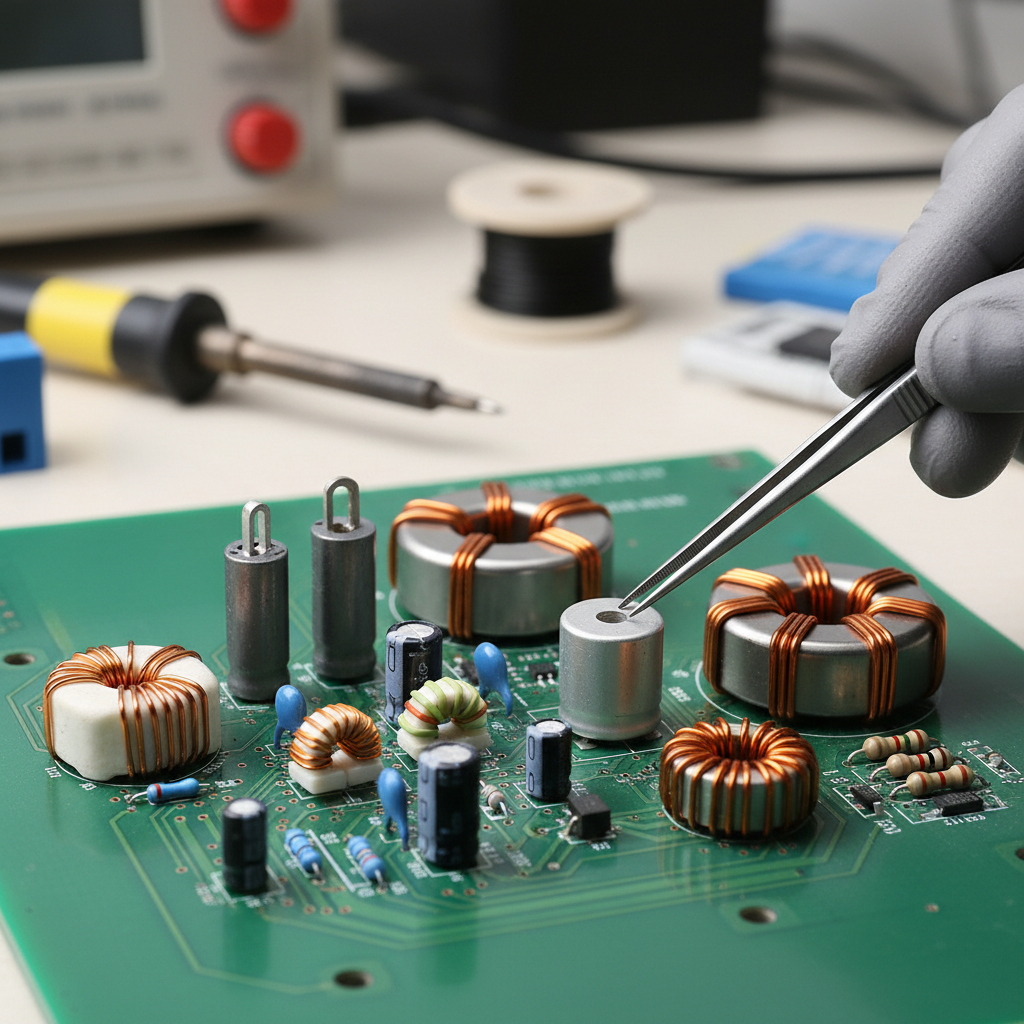
Choosing the right High Frequency Choke is crucial for optimizing circuit performance, as it directly affects inductance and current handling capabilities. Understanding the key concepts and functions of high frequency chokes enables engineers to assess their specific circuit requirements, including frequency and performance needs. The materials used for the choke core significantly influence its performance, so selecting an appropriate core is vital. Additionally, the choke's size and inductance must align with the circuit's current rating to ensure efficient operation.
Application scenarios dictate the types of chokes needed for various circuit designs. Tailoring high frequency chokes to specific applications not only enhances functionality but also ensures reliability. Finally, testing and measuring the choke's performance with accurate assessment tools is essential for verifying that it meets the required specifications. At Zhuhai Eastever Electronic Co., Ltd., our commitment to advancing passive electronic components, like high frequency chokes, drives us to support engineers in achieving optimal circuit designs.